

Tommy Emmanuel Asked Not to Be Called the Best Acoustic Guitarist
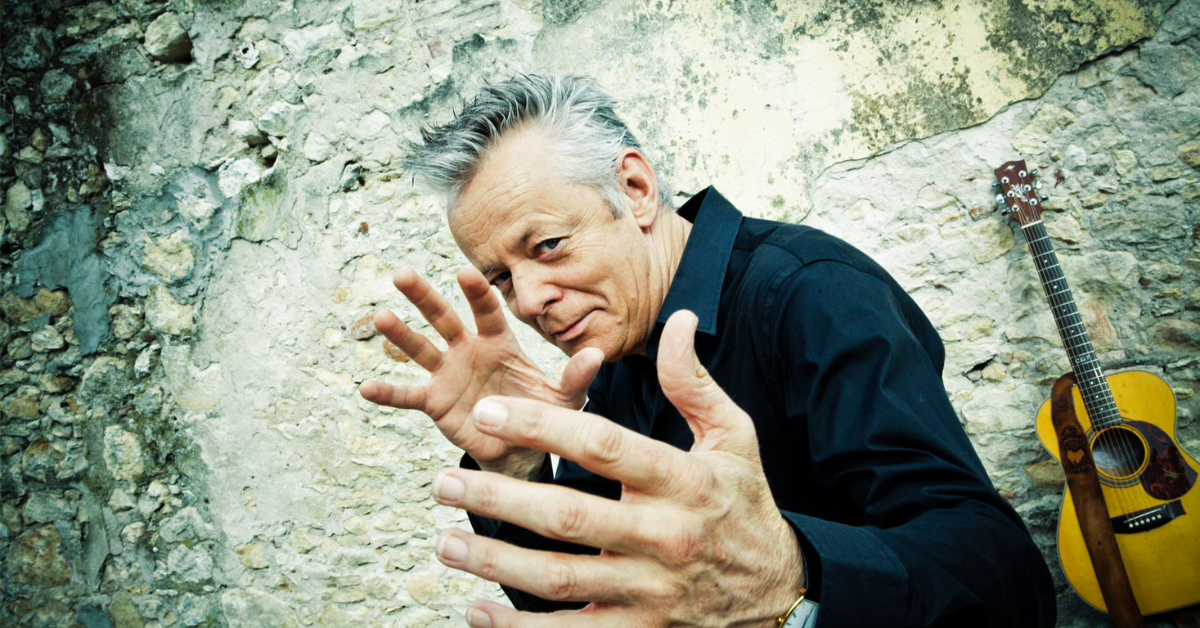
Australian guitarist Tommy Emmanuel, speaking on the Beyond The Vibe podcast, pushed back against the label of “best acoustic guitarist.” In his view, self-centeredness and fixation on others’ opinions hold a musician back and can “destroy people.”
“I’m the Same as Everyone Else”
When the Beyond The Vibe podcast host asked what it feels like to be regarded as one of the best — or the best — acoustic guitarist on the planet, Emmanuel responded briefly and without hesitation. “I never think about things like that. Never. I don’t want to be in that space. I’m the same as everyone else,” the musician said.
Tommy Emmanuel is known for his highly demanding fingerstyle technique, a long-standing solo career, and work as a session musician. He is held in high regard by both audiences and fellow musicians. That makes it all the more remarkable that he himself persistently refuses any kind of pedestal.
Why “Greatness” Becomes a Heavy Chain
Emmanuel described the belief in one’s own exceptionalism as an “awful ball and chain” that a person is forced to carry everywhere. He used this image to convey a simple idea: a sense of superiority does not liberate — it shackles. A musician convinced of his own genius risks losing the ability to grow.
According to Emmanuel, his own approach is built on the opposite principle: not measuring himself by titles, but focusing on what he can do and trying to get the most out of it.
Vai and Satriani Instead of a Mirror
Reflecting on his place among fellow musicians, Emmanuel cited two guitar virtuosos as examples. “I can’t play like Steve Vai or Joe Satriani. I’m not able to do what they do. It amazes and astounds me, but I need to try to squeeze the best out of what I have,” he admitted.
For him, this is not self-deprecation but a considered stance. Instead of competition and mental rankings, he chooses respect for others’ mastery and the freedom to make music without looking over his shoulder at comparisons.
Vegas and the Guitarist Helped Each Other in an Era of Crises and Growing iGaming Pressure
Notably, Emmanuel performed alongside Vai at Vai Academy 6.0 in Las Vegas. Events like this, along with major guitar concerts, are something the city hosts with increasing frequency. After the pandemic, Vegas had to rebuild its appeal to tourists: during the lockdowns, a significant portion of gamblers moved online. The convenience of mobile apps, the accessibility of cryptocurrency payments, and the popularity of new crash games formats like Aviator or Lucky Jet game made online gambling a habit that many were unwilling to give up.
As a result, Vegas is increasingly focusing on other categories of tourists, including fans of live music and guitar festivals. In an era of rising iGaming, the city needs to diversify its entertainment industry. For musicians like Emmanuel, this means more venues and more audiences ready to appreciate craftsmanship without regard for rankings.
Pride and Ego as a Destructive Force
One of the sharpest remarks in the conversation was his point about self-centeredness. Emmanuel did not reach for diplomatic phrasing. “Pride, ego, all of that… I don’t want anything pulling me back,” he said.
He added: “Self-centeredness is complete nonsense. It destroys a lot of people. Since when does it matter what others think of us?” There was no posturing in his tone. It sounded more like a conclusion the musician had reached over decades of concerts, studio work, and watching the fates of those who came to believe in their own infallibility.
Gratitude as a Foundation
Closing out the topic, Emmanuel listed what he considers truly important:
• the music he has been fortunate enough to be part of;
• health;
• family;
• the respect he receives from those around him.
“A person deserves to be treated the way they treat others,” the guitarist emphasized. He connects professional freedom not with awards and rankings, but with letting go of pride and with the ability to be grateful for what is already there.